Planning a family trip to Marathon, FL comes down to three decisions: when to go — winter and spring for sun, late summer and fall for value and quiet; where to stay — a central, waterfront home base at Mile Marker 50; and how to spend your days — a mix of water time, easy family attractions, and a couple of bridge-spanning day trips. Get those right, and the rest falls into place.
For the full picture of the islands, start with our Florida Keys travel guide.
When is the best time to plan a family trip to Marathon?
The best time depends on your priorities: winter and spring bring the warmest, driest weather, while late summer and fall offer lower rates and thinner crowds.
Winter and spring are peak seasons in the Florida Keys — calm water, comfortable temperatures, and the liveliest atmosphere, but also the highest demand. Late summer and fall trade a bit more heat and the chance of a passing storm for real value and quiet beaches. Families tied to a school calendar often find the shoulder weeks just before or after a holiday break hit the sweet spot. For a month-by-month breakdown, see our guide to the best time to visit the Florida Keys.
Travel tip: Book further in advance for winter and spring stays — central Marathon homes fill first.
Where should a family stay in Marathon?
Families do best in a central, waterfront home in Marathon — The Heart of the Keys — which keeps both ends of the island chain within an easy drive.
Marathon sits at Mile Marker 50, roughly midway between Key Largo and Key West. That central position is the single biggest planning advantage: you’re never more than a reasonable drive from a reef, a flat, or a day trip. A whole-home rental also gives families room to spread out, a kitchen for easy meals, and often a private pool and dock. Keys Cove is a luxury vacation rental collection built around exactly this kind of water-first family stay. Compare the islands in our guide on where to stay in the Florida Keys, or browse Keys Cove waterfront homes.
How do you get to Marathon and get around?
Most families fly into Miami or Fort Lauderdale and drive the Overseas Highway south, then use a car or an on-site Road Buggy to get around town.
The drive from Miami to Marathon is part of the trip — the Seven Mile Bridge alone is worth the windows-down moment. A rental car is the simplest way to reach the Keys and to handle day trips up and down the chain. Once you’re settled, much of Marathon is close enough to explore by an on-site Road Buggy, an upscale, road-legal way to run to the beach or grab groceries. If you’d rather skip the long-haul drive in, our note on the airport shuttle to Marathon covers the alternatives.
What should families do in Marathon?
Build days around the water first, then mix in Marathon’s family attractions and a day trip or two.
Marathon is unusually well-suited to kids. Spend mornings on calm water — swimming, snorkeling, or fishing — then fill afternoons with the area’s standout attractions. A quick planning table:
| Day type | Best for | Marathon ideas |
|---|---|---|
| Water day | All ages | Swim and snorkel at Sombrero Beach; paddle or boat from a private dock |
| Animal day | Younger kids | The Turtle Hospital, The Dolphin Research Center, Aquarium Encounters |
| Explore day | Curious families | Crane Point Hammock trails and museum |
| Day trip | Older kids and teens | Reef snorkeling, or a drive toward Key West or Key Largo |
For a deeper list, see our roundup of top kid-friendly adventures in Marathon and our overview of things to do in the Florida Keys.
Top Landmark: Seven Mile Bridge — a scenic centerpiece and an easy photo stop on any day trip south.
How should families budget and pack for the Keys?
Plan for the big-ticket items first — lodging, car, and any charters — then keep daily costs down with a home kitchen and free beach time.
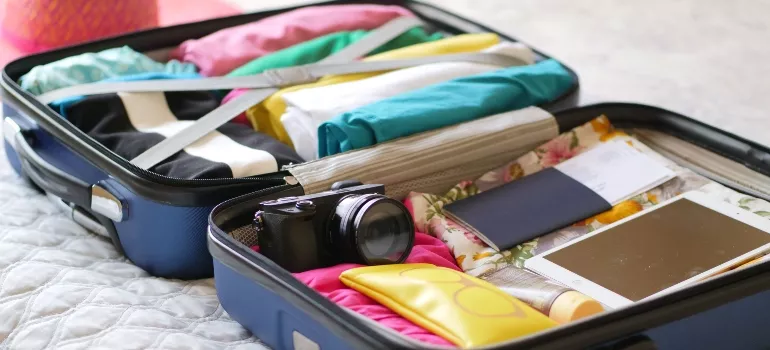
The best value for families usually comes from a whole-home rental split across a group, where a kitchen replaces costly meals out, and the lowest per-person cost wins. Pack light, sun-smart, and water-ready: reef-safe sunscreen, rash guards, water shoes, and a dry bag cover most needs. For longer stays, our guide to efficient packing in Marathon offers more in-depth guidance.
Pro tip: Reserve fishing or reef charters early in your trip — if the weather shifts a day, you’ll still have time to reschedule.
Where to base your Florida Keys family trip
Base your trip in Marathon, FL — The Heart of the Keys — where a central, waterfront home puts every reef, beach, and day trip within easy reach.
Keys Cove
2264 Overseas Highway, Marathon, FL 33050
Get Directions
Helpful resources:
- Browse Keys Cove waterfront homes
- Marathon family vacations
- Where to stay in the Florida Keys
- Florida Keys travel guide
- Explore more in our Directory
FAQs about planning a family trip to Marathon
What is the best time to take a family trip to Marathon, FL?
Winter and spring offer the warmest, driest weather and the liveliest atmosphere, but also the highest demand and rates. Late summer and fall bring lower prices and quieter beaches, with more heat and a chance of passing storms. Families tied to a school calendar often find the weeks just before or after a holiday break ideal.
How many days do you need for a Marathon family vacation?
Four to seven days works well for most families. That gives you time for several water days, a couple of Marathon attractions like The Turtle Hospital or Aquarium Encounters, and a one-day trip to Key West or Key Largo, without rushing. Longer stays in a whole-home rental tend to lower your per-day cost.
Is Marathon good for kids?
Very. Marathon has calm, swimmable beaches like Sombrero Beach, hands-on animal attractions, and easy nature trails at Crane Point Hammock. Its central location at Mile Marker 50 keeps drives short, which matters with younger children. A private pool and dock add a safe, contained backyard for water play.
How do you get to Marathon?
Most visitors fly into Miami or Fort Lauderdale and drive south on the Overseas Highway, crossing the Seven Mile Bridge into Marathon. A rental car is the easiest way to reach the Keys and handle day trips. Once settled, much of Marathon is close enough to explore by an on-site Road Buggy.
What should families pack for the Florida Keys?
Pack sun-smart and water-ready: reef-safe sunscreen, rash guards, hats, water shoes, and a dry bag. A whole-home rental with a kitchen lets you bring or buy groceries and cut down on meals out. For extended stays, plan laundry and reusable water bottles into your packing list.
Is it cheaper to rent a home or book separate rooms for a family?
For groups of four or more, a whole-home rental usually offers the best per-person value. You share one nightly rate, cook some meals in the kitchen, and get common space to gather, which separate rooms can’t match. Splitting a larger home across a family or two often delivers the lowest overall cost.
Frequently Asked Questions
Is Marathon a good destination for a family vacation?
Yes. Marathon sits in the heart of the Florida Keys and is known for calm, family-friendly beaches, hands-on marine attractions, and easygoing water activities. It’s less hectic than Key West while still offering plenty for kids and adults.
What are the best family activities in Marathon?
Family favorites include Sombrero Beach, the Turtle Hospital, the Dolphin Research Center, and Florida Keys Aquarium Encounters, plus snorkeling, boat tours, and paddling. There’s a good mix of educational and active options for all ages.
When is the best time to take a family trip to the Keys?
Winter and spring bring dry, warm, comfortable weather that’s ideal for families, though it’s the busy season. Summer is great for water activities but hotter, with afternoon storms, so plan outings for the morning.
What should families look for in a Marathon vacation rental?
Prioritize enough bedrooms and bathrooms, a full kitchen, and safe outdoor or waterfront space, ideally with a pool or a calm dock area. Proximity to beaches and family attractions makes days out much easier with kids.