Choosing a place to stay should feel exciting, not stressful. But the truth is that comfort and aesthetics can easily distract you from what matters most: how safe you’ll actually feel once you arrive, especially after dark, especially when you’re tired, and especially when you’re in a place you don’t know well. Star ratings and reviews usually reflect cleanliness, décor, host friendliness, and overall “vibe.” Those things matter, but they don’t always reveal whether the property is genuinely secure. If you want to vet accommodations for personal safety, you need a method that looks beyond popularity and into practical, real-world risk factors. This guide gives you a simple framework you can use for hotels, apartments, or even a home for vacation rental, so your stay feels lighter, calmer, and more confident.
Reframe What “Safety” Really Means
Before you evaluate any listing, get clear on what you’re trying to protect. Personal safety isn’t the same as “nice and quiet.” Property security isn’t the same as “modern building.” And privacy protection isn’t the same as “no neighbors.” Instead of thinking in vague terms, think in three concrete categories: personal safety (your ability to enter, sleep, and move around without feeling vulnerable), property security (how protected your valuables are from theft or access by others), and privacy protection (whether the space prevents unwanted intrusion or exposure). This matters because different travelers carry different risks. Solo travelers may prioritize lighting and access control. Families may prioritize safe exits and predictable entrances. Long-stay travelers may prioritize neighborhood stability and routines. The goal isn’t fear—it’s clarity.
Do a “Map Reality Check” Before You Fall in Love With Photos
A listing can look stunning. Still, it may sit in a place that feels uncomfortable, inconvenient, or risky at the wrong hour. Before you book anything, do a quick location check using maps. Switch to satellite view first. Check how close the entrance is to main roads. See if the building backs onto an alley. Look for any hidden rear access points. Also, notice how exposed the walk is from the parking to the door. Next, use street view. Check if the street looks well-lit at night. Look at nearby businesses and see if they feel active or shut down. Watch for dead ends or blind corners. Those can make the area feel boxed in. This step matters. Reviews often say “great neighborhood” without context. Sometimes it only feels great during daylight. Other times, it works only in peak season when the area stays busy.
Red Flags You Can Detect Without Ever Visiting
If you want to vet accommodations for personal safety, you can spot many risks without stepping inside. The biggest red flag is missing information. Listings that avoid showing the entrance, hallway, stairwell, or outdoor approach are forcing you to imagine what they didn’t want to display. Be cautious of descriptions that never mention building access (lobby, gate, shared entrance, elevator), listings that rely on vague location language like “near downtown,” or photo galleries that show décor but not doors, windows, and locks. Reviews can also contain quiet warning signs. Pay attention when guests mention “hard to find at night,” “strange people around the entrance,” or “felt uncomfortable walking back.” Those comments are often the most valuable safety data you’ll get.
Access Control: The Deal-Breaker Most People Skip
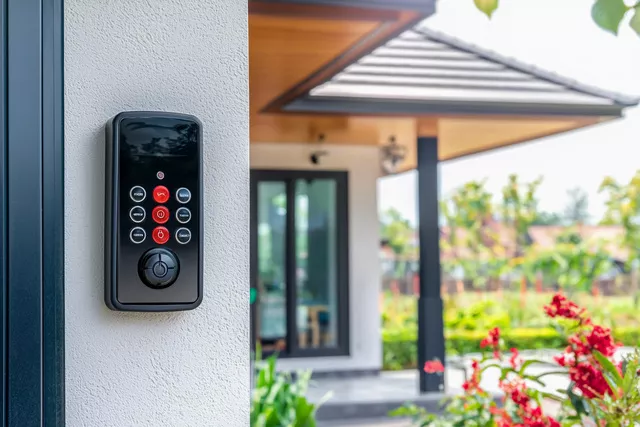
Access control is one of the strongest predictors of safety, and it’s often the most overlooked detail when people get distracted by price and design. Evaluate access on two levels: building entry and unit entry. Building entry includes gates, lobby doors, elevator access, stairwells, and shared hallways—spaces where strangers might pass through. Unit entry consists of the strength of the door, the quality of the lock, and whether there’s an additional deadbolt.
If a listing uses self-check-in, confirm how the keypad or lockbox is managed. Keypads can be excellent if codes are unique and changed regularly. Lockboxes can be fine too, but the risk rises if they’re placed in exposed public areas or if keys circulate widely. When you’re trying to vet accommodations for personal safety, you’re basically asking one question: how easy is it for the wrong person to enter, and how hard is it for you to leave quickly if you need to?
A Valuables Plan That Doesn’t Depend on Luck
Even in a “safe” area, theft is usually about opportunity, not drama. The smartest approach is to reduce exposure instead of hoping you’ll be the exception. Keep it simple: carry only what you truly need that day, separate backups (cards, cash, documents), and build a habit of leaving valuables in a safe place rather than scattered around the apartment. If you’re staying long-term or moving between locations, you may also want to weigh the pros and cons of storing valuables in a storage unit as part of your bigger security plan. Off-site storage can reduce the temptation and risk in your accommodation, especially if you’re traveling with equipment, extra cash, or other high-value items you don’t want to handle daily. The trade-off is that it introduces a second location that you must trust, access, and manage reliably—so it only makes sense when the added control outweighs the extra complexity.
Neighborhood Intelligence Reviews Rarely Capture
A neighborhood can look safe on paper and still feel unsafe if you don’t understand its daily rhythm. Instead of relying on generic phrases like “good area,” look for timing clues. Some streets feel fine at 2 pm but empty and tense at 9 pm. Other areas are lively but attract crowds late at night. Some blocks are quiet but isolated, which can be a risk factor if you’re arriving alone. This is why learning local routines in a temporary home is such a powerful safety strategy. When you observe what “normal” looks like—where locals park, which entrances people use, when businesses close—you can identify what feels off early, before it becomes a problem. That awareness alone changes how confident you move through a new place.
Seasonality Changes Safety More Than People Think
Safety isn’t static. It changes with daylight, weather, and the number of people around. Winter can make places feel more isolating because it gets dark early, foot traffic drops, and icy sidewalks make walking harder. Off-season travel can also mean that tourist-heavy areas feel empty, with fewer open businesses and less “natural” surveillance from people being around. On the other hand, peak season brings crowds and anonymity, which can increase the risk of opportunistic theft. This is why renting seasonally to avoid winter blues isn’t only about comfort and mood—it can also support safer routines, better sleep, and more stable daily patterns, especially if you plan your stay around daylight and predictable movement rather than forcing yourself into stressful conditions.

You Need To Vet Accommodations for Personal Safety Now More Than Ever
You don’t need to be fearful to travel safely—you need to be intentional. When you look beyond ratings and focus on access control, real-world location realities, host clarity, and neighborhood rhythm, you travel with less stress and more confidence. The best part is that this doesn’t require expensive upgrades or luxury stays. It simply requires a smarter lens. The more you practice this approach, the more natural it becomes, and soon you’ll be able to assess a listing in minutes. When you know how to vet accommodations for personal safety, you aren’t just choosing a place to sleep—you’re choosing peace of mind, freedom of movement, and a trip that feels good from start to finish.
Images provided by Pavlo Lys, UpSplash, and Pexel.
Frequently Asked Questions (FAQs)
1. What should I check first when vetting a rental for personal safety?
Start with a quick map reality check before you fall for the photos. Switch to satellite and street view to see how the entrance sits relative to main roads, whether the building backs onto an alley, and how the surroundings look at different times of day. This tells you far more about real-world risk than staged listing images.
2. How is personal safety different from a place simply being nice and quiet?
Personal safety is your ability to enter, sleep, and move around without feeling vulnerable. It is separate from property security (protecting your valuables) and privacy protection (preventing unwanted intrusion). A modern or quiet building is not automatically a secure one, so it helps to evaluate each category on its own.
3. Do star ratings and reviews tell me whether a property is secure?
Not on their own. Ratings and reviews usually reflect cleanliness, decor, host friendliness, and overall vibe rather than genuine security. You still need to look specifically at lighting, access control, entrances, and location to judge how safe a place will actually feel once you arrive.
4. What safety factors matter most for different types of travelers?
They vary by who is traveling. Solo travelers often prioritize lighting and access control, families tend to focus on safe exits and predictable entrances, and long-stay guests weigh neighborhood stability and routines. Match your checklist to your own situation rather than using a one-size-fits-all standard.
Frequently Asked Questions
How do I check that a vacation rental is safe before booking?
Review the listing for verified reviews, a clear address or neighborhood, and photos of entrances and locks. Confirm safety features like working smoke and carbon-monoxide detectors, secure door locks, and outdoor lighting, and message the host with any specific questions before you pay.
What safety features should I look for in an accommodation?
Look for functioning smoke and carbon-monoxide alarms, sturdy locks on doors and windows, well-lit entryways and parking, a fire extinguisher, and clear emergency exits. For waterfront or pool properties, check for fencing and posted safety information.
How can I verify a host or listing is legitimate?
Book through reputable platforms, read recent reviews, and be cautious of hosts who push you to pay off-platform. A verified profile, responsive communication, and a consistent address across the listing are good signs the rental is legitimate.
What should I do when I first arrive at a rental?
Do a quick walkthrough to locate exits, test the door locks, and confirm smoke and CO detectors are present. Note the property address and nearest emergency services, and report anything missing or broken to the host right away.