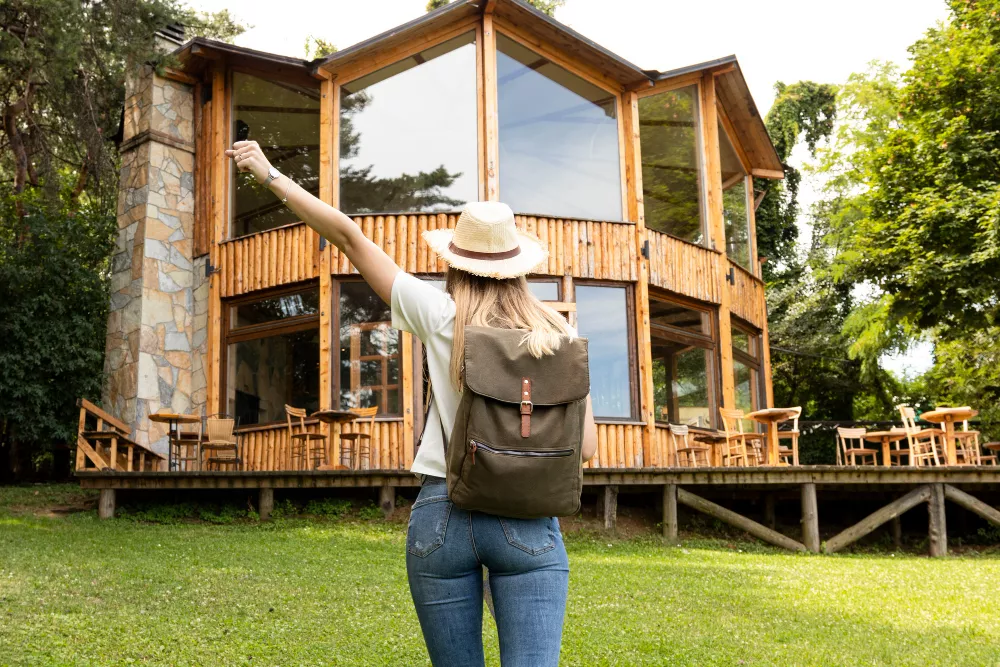
Moving often changes routines, but finding ‘normal’ in temporary homes helps guests stay grounded. Whether people stay in a short-term rental, corporate housing, or a family member’s guest room, or explore rentals to imagine a new life elsewhere, they often look for ways to recreate familiar rituals. These small acts, brewing coffee the same way, setting up a reading nook, or calling home at night, turn an unfamiliar place into a personal space. Many guests also find that vacation rentals offer the flexibility and comfort needed to maintain their routines away from home.
Finding Normal in Temporary Homes: Why Familiar Habits Matter
Temporary stays can feel unsettling. Familiar habits help people regain balance. Morning coffee from a favorite mug, a nightly skincare routine, or even folding clothes the same way can make a temporary stay feel predictable. These routines bring control and comfort, and they help find normalcy in temporary homes.
When guests rebuild familiar patterns, their new space feels safer. It also boosts emotional stability during moves, relocations, or travel assignments. Simple routines act as reminders that stability can exist, even away from home.
The Psychology Behind Recreating Rituals
Humans thrive on repetition. Routine gives structure and reduces decision fatigue. When guests move between places, they lose environmental cues specific lights, scents, or furniture arrangements that signal what to do next.
To fill that gap, they create substitutes: lighting a candle at night, journaling before bed, or starting mornings with stretching. These routines help signal the body and mind to relax. Psychologists note that such familiar acts support resilience and help the brain adapt faster to new surroundings.
Setting Up Comfort Quickly: Practical Steps
To efficiently recreate comfort, start with small, consistent actions. Pack a few personal items that carry emotional meaning, such as photos, a favorite blanket, or a candle. Place them where you spend the most time. These familiar visuals help the brain register a sense of continuity and reflect how guests handle their belongings, helping them feel more settled.
Organize spaces the same way you did before moving. If your socks were always in the top drawer, do the same in your new place. Such small consistencies keep your mind relaxed and make daily tasks easier.
How Temporary Spaces Encourage New Traditions
Interestingly, living in a temporary space can also spark new rituals. Some guests develop morning walks to explore local areas. Others begin cooking more, since eating out every day feels tiring.
Temporary homes push people to notice what truly comforts them. They often learn to simplify, bringing only the essentials that matter most. That discovery leads to more mindful habits, even when they return home or switch between vacation rentals for different stays.
Building Connection in Temporary Environments
Humans are social beings. Connection stabilizes emotions. When guests feel isolated, they often create simple routines, chatting with a barista or joining a nearby class. These micro-connections build familiarity and comfort.
Preparing before arrival also helps. Packing with intent and creating a small “comfort kit” of essentials speed up adjustment. Make sure to use essential packing tips and prepare everything in order to do it like a pro and feel at ease faster once you unpack. When items are organized efficiently, setting up a temporary home or vacation rental becomes much simpler. You spend less time searching for things and more time creating comfort.
Redefining “Home” Through Rituals
Guests often discover that “home” is not defined by walls but by habits. Making tea in the same mug, reading before bed, or calling loved ones regularly gives structure. These small acts become emotional anchors.
In temporary settings, creating structure prevents homesickness. Routines mark time and create predictability, even when addresses change frequently. Over time, guests realize that consistency within routines matters more than location.
Emotional Grounding Through Sensory Cues
Senses play a major role in emotional grounding. Scents, sounds, and textures can instantly create a sense of familiarity. Many guests carry a favorite scent diffuser, small speaker, or soft pillowcase from home.
When a space feels impersonal, these sensory triggers reconnect them to memories and comfort. Playing the same music playlist or lighting a candle with a known scent can quickly change how a temporary home feels. These cues tell the brain, “You are safe here.” This reduces stress and allows people to rest better.
Making Temporary Homes Functional and Personal
Functionality brings peace of mind. Guests often personalize rental spaces subtly. They reorganize kitchens to suit their cooking habits or rearrange furniture for better flow.
Personalizing doesn’t require permanent changes. A simple throw blanket, a plant, or soft lighting can shift the atmosphere. Function and familiarity combine to create temporary stability. This helps guests live with ease, even during short stays in vacation rentals or corporate housing.
Balancing New and Old Rituals
Temporary homes invite a balance between preserving old rituals and forming new ones. Guests often adapt their daily rhythms to fit their environment. For example, someone used to long morning showers might replace that with quiet balcony coffee sessions due to water limits or new surroundings.
This flexibility builds resilience. It teaches that routines can evolve without losing meaning. Maintaining some old habits, like reading before bed, while adjusting others, helps guests stay emotionally balanced.
Adapting Rituals Across Cultures and Environments
Guests living abroad or moving across regions often modify rituals to suit new cultures. They might continue celebrating holidays, but with local foods. They may replace old exercise routines with local activities, such as walking on local trails or participating in group sports.
This adaptability doesn’t erase identity; it strengthens it. Guests learn to respect local norms while keeping personal comfort rituals alive. This dual approach creates connection and emotional safety in unfamiliar settings.
What Hosts Can Do to Help Guests Feel Grounded
Hosts can also help guests recreate their routines. Providing flexible furniture arrangements, neutral decor, or small storage spaces helps visitors personalize their stay.
A thoughtful host might include small amenities: a kettle for tea lovers, an extra blanket for those who value warmth, or clear kitchen organization for meal preparation. When guests can easily replicate familiar behaviors, they relax faster and enjoy their stay more.
The Healing Power of Routine During Change
Change can trigger stress, but structure reduces its impact. Guests who maintain ritual exercises, journaling, and morning routines often adjust more quickly to new places. These acts restore predictability, and even a vacation rental can reveal joy when routines bring a sense of familiarity and peace.
Routine also strengthens emotional resilience. When a daily structure exists, the environment feels manageable. This consistency allows guests to focus on positive experiences rather than feeling unsettled.
Finding Normal in Temporary Homes Through Daily Rituals
In every temporary stay, comfort comes from repetition and familiarity. Finding normalcy in temporary homes means rebuilding routines that provide emotional stability and personal meaning. Guests discover that home isn’t fixed; it’s carried within daily acts. Through rituals, they bring order to change and create peace wherever they go. Whether unpacking in a new city, staying in vacation rentals, or living with family for a few weeks, repeating small comforts transforms any temporary space into a place that feels like home.
View More Things to do below and in our directory.
Frequently Asked Questions (FAQs)
1. Why do familiar rituals matter so much in a temporary home?
Temporary stays can feel unsettling, and familiar habits help you regain balance. Small acts like morning coffee from a favorite mug, a nightly skincare routine, or calling home at bedtime bring a sense of control and predictability, which boosts emotional stability during moves, relocations, and travel.
2. What is the psychology behind recreating routines in a new space?
Humans thrive on repetition because routine gives structure and reduces decision fatigue. When you change locations, you lose familiar environmental cues, so recreating rituals like lighting a candle, journaling, or morning stretching signals your body and mind to relax and helps the brain adapt faster to new surroundings.
3. How can you set up comfort quickly in a short-term rental?
Focus on sensory grounding and a few practical touches. Recreate your key daily habits, arrange a small familiar corner such as a reading nook, and use lighting and scents that feel like home. These simple steps make an unfamiliar space feel personal and functional within the first day or two.
4. What can hosts do to help guests feel grounded?
Hosts can make a space feel welcoming and functional by providing comfortable basics, clear information, and flexibility that lets guests maintain their own routines. Thoughtful touches that support everyday rituals help visitors settle in faster and feel more at home during their stay.