

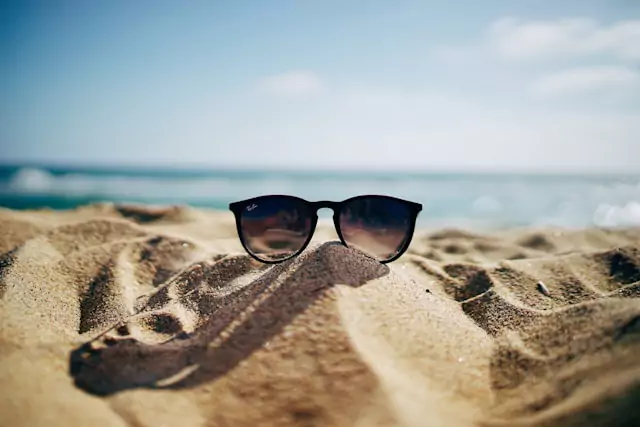
When temperatures plummet and the days grow shorter, many people dream of escaping the harsh winter months. Instead of enduring icy sidewalks and endless shovelling, a growing number of individuals are embracing a lifestyle known as the “snowbird strategy.” At its heart, this approach is about renting seasonally to avoid winter blues, giving you the chance to trade gray skies for sunshine without the long-term commitment of owning a second home. It’s more than just a clever getaway plan—it’s a lifestyle shift that can lead to better health, an improved mood, and a fresh perspective on what it means to live well year-round.
Renting Seasonally to Avoid Winter Blues: What Is the Snowbird Strategy?
The snowbird strategy is a lifestyle choice where people spend part of the year in a warmer destination to avoid the winter season. While some purchase second homes, many opt for short-term rentals, which provide greater flexibility and fewer responsibilities. Renting seasonally means you can pack up and go when the snow starts to fall and return home when spring begins to bloom, enjoying the best of both worlds without the burden of full-time property ownership.
Why Renting Beats Buying for Seasonal Living
Owning two homes can sound glamorous, but it comes with a hefty price tag and significant upkeep. Renting seasonally gives you freedom without tying you down financially. You avoid property taxes, year-round maintenance, and the stress of managing two households. Instead, you enjoy the flexibility of choosing a different rental each year if you wish, tailoring your winter escape to your evolving interests and lifestyle.
Escaping the Winter Blues
Seasonal affective disorder (SAD) and the general dreariness of long winters can take a toll on mental health. Sunlight exposure naturally boosts serotonin, helping regulate mood and energy. By relocating to a sunnier climate for a few months, you can break free from the cycle of sluggishness and cabin fever. The snowbird strategy isn’t just about leisure; it’s also about protecting your well-being by creating an environment that supports mental balance.
Practical Tips for Managing Your Main Home
Leaving your home behind for months requires preparation. Some people winterize their houses, turning down the heat, draining water pipes, and arranging for snow removal if necessary. Others hire trusted neighbours or local services to keep an eye on the property. Insurance coverage should also be reviewed carefully, as some policies require additional protections if a home is left unoccupied for extended periods. Proper planning ensures peace of mind, allowing you to enjoy your winter escape without constant worry.
Storage Solutions for Seasonal Transitions
Managing belongings across two locations can feel overwhelming without a plan. This is where storage units come into play. They offer a safe and convenient space for items that won’t be needed while you’re away. A simple thing like learning how to store seasonal items in a storage unit and putting seasonal stuff away can help you stay organized and prevent clutter from taking over either home. This way, you can travel lightly and still have your essentials waiting for you when you return.
Popular Destinations for Snowbirds
The best places for seasonal rentals often share three key qualities: mild winters, a welcoming community, and a wealth of activities. Florida is a long-standing favourite thanks to its beaches and vibrant towns. Florida’s Big-City Appeal for Snowbirds
What Is Snowbird Season in Florida—and When Does It Happen?
Snowbird season in Florida marks the annual migration of retirees and sun-seekers from northern states who trade snow shovels for sandals. Typically, this influx begins in late October or early November and lasts through April or even early May, coinciding with the best weather Florida has to offer—think mild temperatures, plenty of sunshine, and gentle breezes.
During these months, towns across the state come alive as restaurants, parks, and beaches fill with seasonal residents eager to stay active and make the most of the outdoors. Locals see a noticeable uptick in energy (and, yes, traffic), especially in popular areas like the Gulf Coast, the Keys, and along the Atlantic shoreline. It’s a vibrant, bustling time that transforms many Florida communities into hubs for connection, outdoor adventures, and a refreshing escape from winter’s chill.
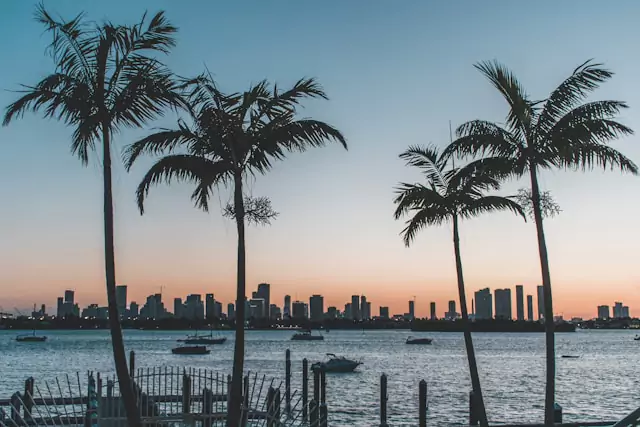
For those who crave the energy and amenities of city life, Florida’s larger urban hubs are perennial favorites among snowbirds. Miami dazzles with its Art Deco landmarks, world-class museums, and vibrant nightlife—not to mention its unbeatable dining scene, from Cuban cafés to upscale seafood restaurants. Head up the coast and you’ll find the Palm Beaches, offering beautiful gardens, high-end shopping, and a flourishing arts community.
Orlando appeals to those seeking a mix of famous theme parks, major sporting events, and a thriving theater district. Tampa and St. Petersburg blend waterfront living with an impressive collection of galleries, live music venues, and championship golf courses. Sarasota and Naples round out the list, drawing visitors to their white-sand beaches, opera houses, and gourmet markets.
No matter which city you choose, you’ll never be short on culture, activities, or a sense of community—making these Florida destinations ideal for a winter escape.
Arizona offers desert warmth with spectacular scenery, while coastal California provides sunshine with a touch of sophistication. International destinations like Mexico, Portugal, and Spain are increasingly popular among adventurous snowbirds seeking cultural immersion alongside sunshine.
Smaller Forida Beach Towns Snowbirds Love
For those looking to escape the crowds but still soak up all that Florida sunshine, several smaller beach towns have captured the hearts of snowbirds. St. George Island in the Panhandle is perfect for those who crave peaceful beaches and easy access to the Gulf’s abundant fishing. Over on the Atlantic side, Amelia Island delivers a blend of laid-back charm and historic streets to wander—plus kayaking, golf, and miles of uncrowded shoreline.
On the southwest coast, Venice boasts beautiful shell-strewn beaches and a reputation as the “Shark Tooth Capital,” a quirky claim for avid beachcombers. Nearby, the islands of Sanibel and Captiva are renowned for their dazzling sunsets, pristine wildlife refuges, and endless biking trails. And then, of course, there’s the Florida Keys—a chain of sun-soaked islands offering world-class boating, snorkeling, and a friendly, come-as-you-are spirit.
Whether your perfect day means casting a line, meandering through quaint local shops, or paddling through crystal-clear waters, these towns promise a true taste of Florida living—minus the winter jacket.
Lesser-Known Facts About Snowbird Season in Florida
While most people can spot a snowbird by their out-of-state plates and laid-back attitudes, there are a few surprising truths about this annual migration to the Sunshine State:
- A Centuries-Old Tradition: Snowbirds have been escaping chilly winters and heading to Florida for over a century. This seasonal migration is hardly new; it’s as much a Florida tradition as fresh-squeezed orange juice at breakfast.
- Florida‘s Winter Population Surge: Every winter, Florida’s population swells by over 5%, thanks in large part to these temporary residents. This isn’t just a trickle—it’s a wave that transforms small towns and major cities alike from November through April.
- More Than Just Warmth: It’s not only about soaking up the sun. Many snowbirds relocate for health reasons, taking advantage of the mild climate to stay active, manage chronic conditions, or simply enjoy daily walks—a feat less pleasant in snow boots.
- A Boost to Local Economies: Snowbirds play a significant role in Florida’s real estate and rental markets. Their seasonal presence fuels demand for everything from condos and cottages to bike rentals and boat tours, injecting fresh energy (and dollars) into local economies.
- Renters, Not Always Owners: Contrary to popular belief, most snowbirds don’t own a second home in Florida. Renting is incredibly popular, giving snowbirds the flexibility to try new regions and accommodations each year, from Naples to the Keys.
- Travel Chroniclers Extraordinaire: Snowbirds are some of the most enthusiastic travel documentarians around. Many keep detailed blogs and photo journals of their seasonal adventures, rivaling even the most tech-savvy younger travelers with tips, local recommendations, and stories from the road.
Thinking About Full-Time Retirement in Florida?
If you’re dreaming of making Florida your permanent escape from winter, there are a few smart moves to consider before taking the plunge. Start by renting in the community you’re interested in—whether that’s a bustling beach town or a quiet corner near the Gulf. Renting first gives you a genuine feel for the neighborhood, local amenities, and even little quirks like traffic patterns or hurricane prep routines.
Plan Early for Seasonal Rentals
Florida’s winter rentals go fast, so it pays to plan ahead. If you have your heart set on a particular town or community, start your search as early as possible. Booking ahead increases your chances of landing your ideal spot before the snowbird surge fills up popular rentals.
Stay Longer, Save More
If you’re looking to stretch your budget, consider an extended stay. Landlords often offer better rates for rentals of three to six months compared to month-to-month arrangements. This not only saves you money but also gives you more time to truly soak up the local lifestyle and decide if it’s the right fit for your future.
While you’re scoping things out, connect with local residents and snowbirds to hear their firsthand advice. Visit amenities like grocery stores, medical facilities, and recreation centers to see how well they’ll fit your lifestyle long-term. Explore different seasons—not just winter—to get the full experience of Florida living.
Test the Waters Before Buying
If you’re considering buying a home for full-time retirement, use your rental period to get to know the area thoroughly. Renting first lets you try out neighborhoods, discover hidden gems, and avoid surprises—like realizing your favorite café is 30 minutes away, or that rainy season brings out the local frogs in droves.
Doing your homework now can make your eventual move smoother and help you avoid buyer’s remorse. If you need more tips on choosing the right community, guides from reputable resources like AARP and local real estate agencies can be invaluable as you plan this next chapter.
Documenting the Snowbird Experience
Many snowbirds enjoy capturing their Florida adventures through a variety of creative ways. These seasonal travelers often keep detailed travel journals, snapping photos of sun-kissed mornings, bustling farmers’ markets, and the friendly faces they meet along the way. Travel blogs are especially popular among this crowd—snowbirds tend to chronicle their journeys, from favorite seafood shacks in the Keys to morning strolls along Naples’ white sand beaches. Some even share tips and stories on platforms like WordPress or Blogger, building communities with fellow migratory souls. Social media, too, plays its part, with Instagram feeds full of glorious sunsets, while Facebook groups connect snowbirds from all over, swapping recommendations and inspiration. Whether through written word, digital albums, or spirited online discussions, documenting these seasonal escapes becomes part of the adventure and a way to inspire others to try the snowbird lifestyle for themselves.
How Snowbirds Shape Florida’s Estate and Rental Scene
Florida’s sun-seeking snowbirds pack more than just beach hats and sunscreen; they bring a seasonal surge to the local real estate market unlike anything else. When winter rolls around up north, thousands flock south to rent homes, condos, or even cozy apartments—creating high demand that boosts property owners, managers, and local communities.
While some snowbirds purchase second homes and plant deeper roots, a significant number prefer the flexibility of renting. This annual migration fills short-term rentals throughout popular destinations like Ft Myers, Sarasota, and the Florida Keys. Landlords often look forward to this time of year, as the influx can mean higher occupancy rates and—thanks to sites like Airbnb, Vrbo, and traditional rental agencies—plenty of opportunities to keep properties booked.
Beyond the rental market, developers and realtors anticipate the snowbird wave by creating communities tailored specifically for seasonal residents, offering everything from low-maintenance condos to resort-style amenities. So, whether they’re signing a lease or settling in for the season, snowbirds inject fresh energy and revenue into Florida’s housing scene every single winter.
The Impact of Snowbirds on Florida’s Economy and Local Life
Florida’s annual population shift isn’t just a running joke among locals—it’s a major economic driver for the state. As soon as autumn arrives, a steady stream of northern visitors breathes new life into towns and cities across Florida. These seasonal residents bolster local businesses, from restaurants and shops to golf courses and cultural venues. You’ll notice restaurants a little busier, the farmer’s market lines a little longer, and your favorite beach spot filling up faster—all thanks to this winter migration.
But the benefits go well beyond bustling brunch spots. Every winter, Florida’s population surges by over five percent as snowbirds settle in. Their demand for short-term rentals gives a healthy jolt to the real estate and rental markets. Landlords and property managers enjoy consistent, predictable income during what would otherwise be a slower season, and the tourism sector—from entertainment to guided tours—gets an added boost.
For local communities, this influx isn’t just about economics; it translates into more events, vibrant town centers, and even expanded services to meet seasonal needs. Renters and homeowners alike contribute to a sense of vitality and diversity, with northern accents mingling with local drawls at everything from bocce ball tournaments to fish fry fundraisers. The snowbird effect, in short, helps Florida shine even brighter during the winter months.
The Financial Side of Seasonal Renting
Many assume that snowbird living is only for the wealthy, but renting can be surprisingly affordable with the right planning. By searching for rentals during off-peak times, considering smaller towns instead of tourist-heavy hubs, and staying flexible with dates, you can secure a seasonal home that fits your budget. Some people even find that the cost of renting seasonally is less than managing the heating bills and snow removal expenses of staying home through the winter.
Making Seasonal Rentals Feel Like Home
Transitioning between two living spaces doesn’t mean sacrificing comfort. Many snowbirds bring along personal touches, such as favourite bedding, photographs, or books, to make temporary rentals feel more inviting. Renting also gives you the chance to experiment with different styles of living. One winter, you may settle into a cozy beach cottage, while the next, you might experience life in a desert villa. This flexibility keeps the snowbird lifestyle fresh and exciting.
Social Connections in Your Winter Community
One of the joys of the snowbird lifestyle is joining a community of like-minded individuals. Seasonal renters often find themselves surrounded by others who are eager to socialize, participate in group activities, and make new friends. Whether it’s a pickleball league in Florida or a hiking club in Arizona, these connections transform a rental into a second home filled with warmth and camaraderie.
Staying Healthy While Away
Seasonal relocation isn’t just about fun in the sun—it can also be a time to prioritize health. Many snowbird destinations offer excellent outdoor activity options, from swimming to golf to daily walks in the sunshine. Warmer climates can be easier on the joints, making them ideal for older adults. Access to fresh produce and vibrant local markets also helps support a nutritious diet, ensuring that you return home in better shape than when you left.

Technology Makes Snowbirding Easier
In today’s connected world, snowbirding is easier than ever. Smart home devices let you monitor your main property from afar, while online rental platforms give you more choices than ever before for seasonal housing. Remote work opportunities also mean that many people no longer have to wait for retirement to try the snowbird lifestyle. With a laptop and reliable Wi-Fi, you can seamlessly balance work and leisure.
The Joy of Returning Home
Part of the magic of the snowbird lifestyle is appreciating the best of each season. By escaping the worst of winter, you return home just as spring brings fresh energy and renewal. The experience allows you to enjoy your permanent residence without feeling trapped by months of ice and snow. Instead of dreading winter, you find yourself looking forward to the rhythm of migration that makes each year more balanced and enjoyable.
Maximizing Comfort, Joy, And Well-Being
The snowbird strategy is about more than escaping winter—it’s about designing a life that maximizes comfort, joy, and well-being. By renting seasonally to avoid winter blues, you give yourself the freedom to experience sunnier skies, embrace vibrant communities, and return home refreshed once spring arrives. Seasonal renting provides financial flexibility, opportunities for exploration, and a healthier relationship with the seasons. Whether you’re drawn to beaches, deserts, or international escapes, this strategy invites you to live with intention, rediscover balance, and make each year more enjoyable.
Images provided by Upsplash
1, 2, 3
View More Things to do below and in our directory.
ACTIVITIES | BEACHES | NATURE | CULTURE-HISTORY | NIGHTLIFE
About Keys Cove | Book a Luxury Home Rental | Florida Keys Directory