Marathon
Florida
33050
United States
Profile
The Turtle Hospital opened its doors in 1986 with four main goals: 1) Rehabilitate injured sea turtles and release them back to their natural habitat. 2) Educate the public by visiting local schools and attending outreach programs. 3) Conducting and assisting with research aiding sea turtles (in collaboration with state universities). 4) Working toward environmental legislation to make the beaches and water safe for sea turtles.
You can visit the facility to see, meet, and learn about sea turtles, plus the organization hosts school groups. It also offers outreach and virtual classes, making it an excellent, engaging, and educational activity for kids in Marathon.
Located at 2396 Overseas Highway in Marathon, the Turtle Hospital welcomes visitors of all ages to experience its unique blend of marine science and hands-on conservation. Whether you’re dropping by with your family, joining a school field trip, or connecting virtually from afar, you’ll discover fascinating facts about sea turtle rescue, rehabilitation, and the remarkable journeys these creatures make back to the wild.
Hours & Admission
The Turtle Hospital Education Center and Gift Shop are open to visitors daily from 9:00 AM to 6:00 PM. Guided tours, which are required to see the resident turtles, start every hour from 9:00 AM to 4:00 PM.
Admission prices are $27 for adults, $13 for children ages 4 to 12, and free for little ones under 4. Each ticket includes an engaging, behind-the-scenes glimpse into the hospital, from the receiving area to the X-ray and operating rooms, with plenty of time to learn about turtle care, anatomy, and even join a feeding session.
Tours run between 60 and 90 minutes. Spots can fill up, especially during busy seasons—so it’s wise to secure your reservation in advance by calling (305) 743-2552 or by checking the Turtle Hospital’s website.
What to Expect on a Guided Tour
Curious about what you’ll experience on a guided tour at the Turtle Hospital? Here’s what’s in store:
- Begin your visit with an insider’s look at the facility, where knowledgeable guides lead you through behind-the-scenes areas like the receiving room, X-ray suite, and operating theater.
- Along the way, you’ll learn all about sea turtle anatomy, their favorite snacks, and the most common injuries treated at the hospital (spoiler: fishing line is not their friend).
- Engaging presentations provide plenty of chances to ask questions and dive into the unique stories of the hospital’s permanent residents.
- Get hands-on with interactive feeding sessions—the turtles never say no to lunch!
- Tours are available throughout the day and generally last between 60 and 90 minutes.
Reservations are recommended and can be made online or by calling the hospital directly.
How to Reserve Your Tour at The Turtle Hospital
If you’re eager to meet rescued sea turtles and explore the fascinating behind-the-scenes world of marine rehabilitation, booking your adventure at The Turtle Hospital is a breeze.
To secure your spot on one of their guided tours—a requirement for all visitors eager to meet the resident turtles—do one of the following:
- Call ahead: Reach out by phone at (305) 743-2552 to check availability and book your tour.
- Go online: Head to The Turtle Hospital’s official website, where you’ll find up-to-date tour schedules and an easy online reservation system.
Tours are offered hourly from morning to late afternoon, so you have several options to fit your itinerary. Since spots tend to fill up (especially during busy seasons), reserving in advance is your best bet for guaranteed entry.
And there you have it—plan, reserve your tour, and get ready for an unforgettable experience with some of the Keys’ most inspiring flippered locals.
Milestones and Impact
Since its founding, The Turtle Hospital has successfully nursed over 1,500 sea turtles back to health and returned them to the wild. The team has also played a crucial role in helping more than 2,000 confused or stranded hatchlings reach the ocean, supporting the survival of these remarkable creatures.
Sea Turtle Species in the Florida Keys
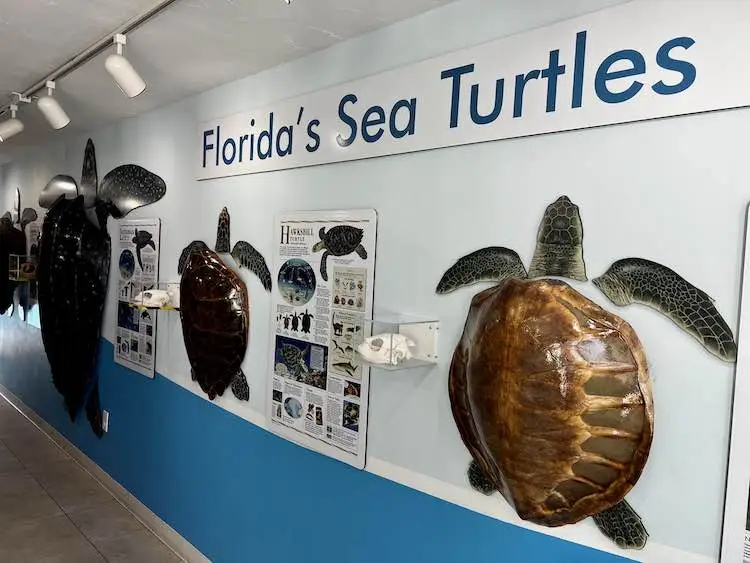
Five remarkable species of sea turtles find their home in the waters around the Florida Keys: Green, Hawksbill, Leatherback, Kemp’s Ridley, and Loggerhead turtles. Each of these species is either endangered or threatened, making their protection and care especially important.
At The Turtle Hospital, visitors learn how the facility rehabilitates and treats local species. Whether recovering from boat injuries, entanglements, or illness, turtles of every kind are given a fighting chance before their hopeful return to the wild.
How Is the Turtle Hospital Different from a Typical Aquarium?
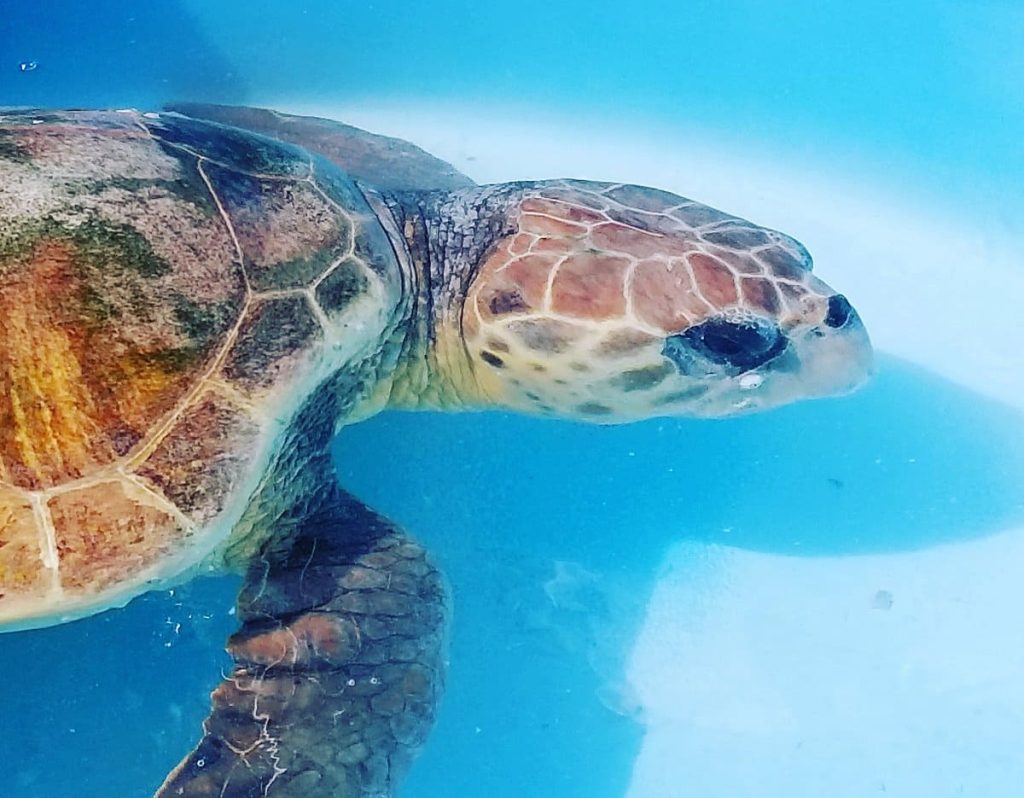
Unlike your typical aquarium, where marine animals are on display as permanent residents, the Turtle Hospital is a working rehabilitation facility. Here, the sea turtles you’ll encounter are actually patients—each one at a different stage of recovery. The focus isn’t on keeping them in tanks for visitors, but on caring for them until they’re healthy enough to return to the ocean.
Most turtles are just passing through, getting the help they need to swim free again. Only a select few—those unable to survive in the wild due to injury or disability—become permanent ambassadors, living at the hospital and helping to educate visitors.
What truly sets the Turtle Hospital apart is its mission-driven, non-profit approach. The entire operation is powered by a dedicated team whose sole purpose is to rehabilitate endangered sea turtles and preserve their future. This facility relies on the interest and generosity of visitors and supporters, making every tour and donation a direct investment in saving sea turtles. Instead of simply providing a place to view marine life, the hospital offers a behind-the-scenes glimpse into real-world conservation in action, fueled by passion and community support.
What Types of Sea Turtles Are Treated Here?
The Turtle Hospital welcomes five different species that call the Florida Keys home: Green, Hawksbill, Leatherback, Kemp’s Ridley, and Loggerhead sea turtles. All of these species are considered vulnerable, threatened, or endangered globally.
Common Injuries and Illnesses
Sea turtles arrive at the hospital with a surprising variety of ailments—some natural, many human-caused. Among the frequent issues treated are:
- Injuries from boats or fishing lines often affect flippers and shells
- Ingestion of litter, especially plastics, which turtles often mistake for food
- Debilitating diseases, including the especially prevalent Fibropapilloma tumors—these growths impact more than half of the local Green sea turtle population
The dedicated team at the Turtle Hospital handles everything from emergency surgeries to long-term rehabilitation, giving these remarkable reptiles a fighting chance before their return to the ocean.
Permanent Residents
While most of the patients at the Turtle Hospital are only temporary guests on their journey back to the wild, a small group of sea turtles call the facility home for good. These permanent residents remain at the hospital because their injuries or health conditions mean they can no longer survive safely in the ocean.
Among these local celebrities is Bubble Butt—famed as the hospital’s very first long-term resident. Rescued way back in 1989 after a boat strike, Bubble Butt and other permanent turtles now live in a sprawling 100,000-gallon aquarium. This special habitat is designed for turtles that require lifelong care, sharing space with both fellow permanent residents and turtles recovering before their return to the sea.
Frequently Asked Question
How Is the Turtle Hospital Funded?
The Turtle Hospital relies on a patchwork of community support, visitor donations, and tour admissions to sustain its life-saving work. As a non-profit, the facility doesn’t receive government funding for its day-to-day turtle care. Instead, it thrives thanks to the generosity of guests, residents, and ocean-loving supporters from around the world. Every ticket purchased, souvenir snapped up in the gift shop, and donation dropped into their iconic green bins helps the hospital treat injured sea turtles and educate the public on conservation—ensuring these incredible animals have a fighting chance for generations to come.
What is the most common surgery performed at the Turtle Hospital?
Staff at the Turtle Hospital most frequently perform procedures to remove fibropapilloma tumors—growths that impact over half of the Kemp’s ridley turtles found in the Florida Keys. These surgeries help give affected turtles a second chance at life and play a vital role in the hospital’s long-term rehabilitation efforts.
How You Can Help Protect Sea Turtles During Your Visit
Would you be willing to make a positive impact while you soak up the Florida Keys’ sun? There are several simple steps you can take to help our local sea turtles thrive:
- Clean Up After Yourself: Always properly throw away or recycle trash—especially plastics—which can be deadly if ingested by turtles.
- Be a Responsible Boater: Stay alert and maintain a slow speed in areas where turtles might be swimming. Give them plenty of space and steer clear if you spot one near the surface.
- Lights Out for Turtles: During nesting season (late spring to early summer), turn off beach-facing lights at night. Artificial lighting can confuse hatchlings and lead them away from the safety of the sea.
- Respect Turtle Nests and Hatchlings: If you stumble upon a turtle nest or encounter hatchlings crossing the sand, observe from a distance. Disturbing these little ones can do more harm than good.
- Report Injured or Sick Turtles: If you come across a distressed turtle, contact the Florida Fish and Wildlife Conservation Commission at 1-888-404-FWCC so trained professionals can provide care.
Every bit helps—your small actions can make a big difference for sea turtles in the Keys.
Fun Facts About Sea Turtles
I’m curious about our flippered friends, if you don’t mind. Here are a few tidbits to share at your next beach bonfire:
- Sea turtles have been gliding through ocean waters since the days of the dinosaurs—think millions of years of endurance!
- These marathon swimmers can clock thousands of miles as they migrate between nesting and feeding grounds.
- When it’s time to nest, female turtles don’t hold back. In just one season, they’ll lay multiple clutches of eggs, and each clutch can include over a hundred tiny, hopeful hatchlings.
- Survival isn’t easy—only about one in a thousand baby turtles makes it all the way to adulthood.
- Some species, like the massive leatherback, can tip the scales at nearly 2,000 pounds and live to celebrate their 50th birthday (and sometimes beyond).
- Diets vary—some munch on seaweed, while others have a taste for jellyfish.
- Despite their calm reputation, sea turtles can really move in the water, reaching speeds up to 25 miles per hour when necessary.
With ancient roots and an inspiring determination, sea turtles are nothing short of ocean superheroes.
What to Do If You Find a Sick or Injured Sea Turtle
If you come across a sick or injured sea turtle anywhere in Florida, don’t attempt to handle it yourself. Instead, immediately contact the Florida Fish and Wildlife Conservation Commission by calling 1-888-404-FWCC (3922). This dedicated hotline operates 24/7 and is the quickest way to ensure the turtle receives expert care and the best chance of recovery. Your call helps protect these incredible creatures and supports the ongoing work of rehabilitation centers like The Turtle Hospital.
Nearby Educational Marine Life Centers
Looking for other ways to dive into local marine science while you’re in Marathon? In addition to the Turtle Hospital, be sure to check out the Dolphin Research Center, located just a short drive away. This center offers interactive exhibits, educational presentations, and opportunities to observe dolphins up close—a hit with kids and adults alike.
Exploring both the Turtle Hospital and nearby marine centers makes for a memorable, hands-on experience for anyone curious about sea life in the Florida Keys.
Photos

Map
Sorry, no records were found. Please adjust your search criteria and try again.
Sorry, unable to load the Maps API.