The way people work has changed forever. Millions now earn a living remotely and are no longer tied to one city or country. This freedom has fueled a significant rise in international relocations, as more people seek better weather, more affordable living, or new cultural experiences. One clever tactic stands out in this trend: digital nomads use vacation rentals to test-drive international moves before committing to a new place for good. When booking a vacation rental, remote workers gain flexibility and honest insight into daily life, which helps them avoid costly surprises.
Why Digital Nomads Use Vacation Rentals Before Moving Abroad
Many remote workers want more than just a holiday. They crave an authentic taste of local life and want to see if a new country fits their work style and budget. But moving to a new country without testing it first can create problems. Short-term vacation rentals help digital nomads check the real costs, the comfort of daily living, and how well they adapt to a new culture. This method reduces regrets and prevents people from getting stuck in places that do not meet their needs.
Vacation rentals give freedom that hotels or long-term leases do not. Remote workers can choose homes in real neighborhoods instead of tourist spots. They can cook, shop at local stores, and meet neighbors. This way, they learn the actual cost of groceries, transportation, and entertainment while enjoying the entire move-in experience at the rental home. If the area feels right, they can look for a longer lease or even plan to settle down. If it does not fit, they can pack up and try the next destination without losing too much money or time.
Blending Work and Adventure
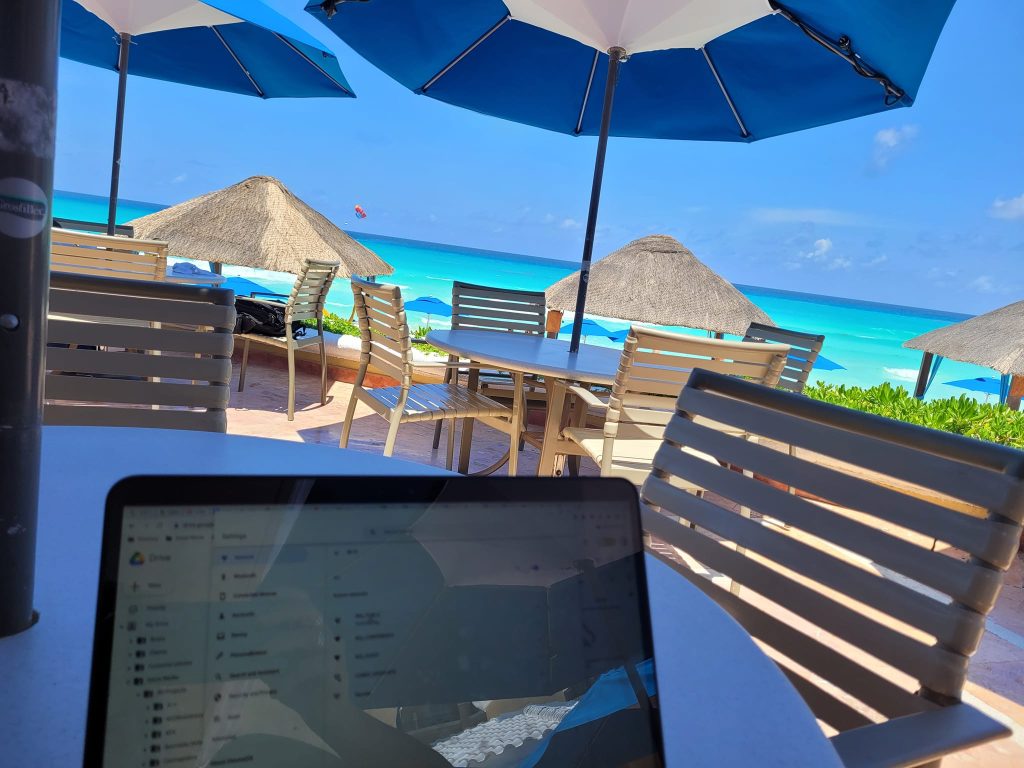
Today’s “workcation” isn’t just a buzzword. It’s a lifestyle. With high-speed internet in most vacation rentals, remote workers can tackle projects by day and explore their surroundings by night. The flexibility to set up a laptop on a sun-soaked patio in the Florida Keys or from a breezy balcony in Lisbon creates a seamless blend of productivity and adventure.
How Short-Term Rentals Make It Easier to Test a New Country
One reason digital nomads choose vacation rentals is the ease of use. Unlike leases, vacation rentals have flexible terms. You can stay for weeks or months without long contracts. This suits people who want to try different countries before making a permanent settlement.
Vacation rentals often include furniture, Wi-Fi, and utilities. This saves time and stress. Many landlords also offer local tips and help with daily needs. Some even connect tenants with local communities.
Staying Focused While Away from Home
The ability to focus on work while away from home is essential. Look for rentals with dedicated workspaces, reliable Wi-Fi, and quiet surroundings. Read reviews to see how past guests rated the work environment. The best rentals often come with extras like coffee machines, blackout curtains, or even ergonomic chairs—small touches that make a big difference when you’re balancing deadlines with day trips.
How to Pick the Right Rental for a Trial Stay
Use trusted rental platforms with good reviews. Read feedback from past guests. Look for hosts who respond to questions promptly. Ask about the neighborhood, noise levels, and hidden costs.
Visit local groups online, too. Many expat or digital nomad groups share advice about good rentals. They also warn others about scams or bad landlords.
Before booking, please ensure you check the visa rules, as they vary from country to country. For Example, Americans can enter Argentina without a visa; they only need a passport and can stay for up to ninety days. Mexico also doesn’t require a Visa and allows you to stay up to 180 days. Other countries, especially Asia, will require a Visa, and they are very strict about having everything in proper order. To avoid any problems, plan your stay within the legal limits.
Pro Tips for a Productive Stay
- Prioritize work essentials: Ask about internet speed and workspace setups.
- Test the commute: Try different routes tocafésl cafes or coworking spaces.
- Check out the neighborhood: Walk around at various times to get a feel for the area.
- Connect with locals: Join events or forums to build a support network before you arrive.
Why This Method Saves Money and Stress
Trying before buying saves money. Long leases or house purchases tie you down. If you regret your choice, leaving can cost thousands. Vacation rentals remove that risk. If you dislike a place, pack up and try another country.
Many digital nomads switch cities every few months. They follow seasons, find better deals, or chase better internet. Short-term rentals help keep this freedom alive.
Do the small tasks that locals do, like opening a bank account, shopping at markets, and visiting doctors. Test how easy it is to meet new friends. These details matter more than pretty beaches or cheap rent.
Key Factors Digital Nomads Should Check While Renting
When using vacation rentals to test a country, be aware of specific details. First, study the internet speed. Many remote jobs rely on strong connections. Slow Wi-Fi can ruin the experience.
Next, look at local services. Is there easy transport? Are grocery stores and hospitals nearby? Can you walk to coffee shops or coworking spaces? These small things shape daily comfort.
Safety matters too. Spend time walking around during the day and at night. Talk to other renters or expats. They often share honest views about an area’s vibe and cost of living.
Honest Insight Into Daily Life
A vacation rental is more than just a place to sleep. It gives you the chance to live like a local and see if the rhythms of the neighborhood match your own. Can you find fresh produce at the market? Is public transit easy, or will you be stuck in traffic? Are there places you can relax after work? These “everyday” details are what truly determine if a place fits your lifestyle.
Essential Amenities for Remote Work Vacation Rentals
For business travelers and digital nomads, not all vacation rentals are created equal. The best options go beyond a cozy bed or a pretty view—they’re built for productivity and comfort. Before booking, check whether the rental comes with these key features:
- Reliable High-Speed Internet: Fast and stable Wi-Fi is non-negotiable. Test connections or ask for real-world speed test results, especially if your work involves video calls or uploading large files.
- Comfortable Workspace: Look for a proper desk and chair—not just a kitchen table. An ergonomic setup helps you stay focused and reduces aches from long hours.
- In-Unit Laundry: A washer and dryer save time and trips to the laundromat—especially valuable during longer stays.
- Fully Equipped Kitchen: Cooking your own meals keeps food costs down and helps you stick to your routine.
- Private Space: Private bedrooms and quiet areas let you take calls without background noise or intrusion—a must for online meetings.
- Climate Control: Reliable heating or air conditioning means you’re comfortable no matter the season.
- Good Lighting: Natural light boosts focus and energy, but adjustable lamps are great for late-night sessions.
- Security Features: Secure locks, safe neighborhoods, and even a safe for valuables give peace of mind.
Many remote workers also appreciate extra perks like free parking, blackout curtains, or even a printer—helpful for those last-minute contract signatures.
Check the listing’s details and photos, and don’t hesitate to message the host with questions. A well-chosen rental can mean the difference between a stressful scramble and a seamless, satisfying work trip.
Popular Places Where Digital Nomads Use Vacation Rentals
Some countries attract remote workers more than others. Mexico, Portugal, Thailand, and Spain are top choices. They have good weather, fair costs, and friendly visa options. Many cities have strong coworking communities and helpful local groups.
Cities like Lisbon, Chiang Mai, Mexico City, and Cancun have thousands of vacation rentals. Many landlords cater to remote workers. Some rentals come with extras, such as desks, printers, or cleaning services. This makes work-life balance simpler. But don’t forget about the USA; The Florida Keys and Puerto Rico can provide that tropical lifestyle without leaving the country.
Top Vacation Rentals for an Ideal Paycation
If you’re searching for the perfect blend of productivity and relaxation, several standout vacation rentals across the globe fit the bill for the ultimate “paycation.” These homes offer just the right mix of work-friendly amenities and resort-style perks, so you can log on and log off with ease.
Some popular options include:
- Mountain Retreats: Spacious cabins in scenic spots like the Rockies or the Smoky Mountains often feature quiet workspaces, fast Wi-Fi, and inspiring views of nature. Look for ones with extra bedrooms that double as offices—or private decks where you can take calls with a mountain backdrop.
- Beachfront Villas: Think properties in places like Cancun, Mexico; Costa Rica; or Hawaii. These rentals usually come with private pools, outdoor lounging areas, and solid internet so that you can tackle your to-dos steps from the ocean.
- Urban Lofts: Major cities such as Lisbon, Mexico City, Barcelona, or Buenos Aires offer modern apartments with reliable high-speed internet, dedicated desks, and access to local restaurants and coworking spaces. Great for those who want a cultural city buzz alongside work demands.
- Family-Friendly Homes: Traveling as a group? Large homes near resort areas like Orlando, Lake Tahoe, or Marathon, Florida, offer separate bedrooms for privacy, plenty of bathrooms, reliable Wi-Fi, and entertainment options for downtime—from private hot tubs to game rooms.
Brands like Airbnb and Booking.com make it easy to filter for essentials like Wi-Fi speeds, quiet hours, and workspace setups, so you can find a rental that matches your work-life routine. No matter which destination you choose, the best vacation rentals for a paycation help you stay productive, comfortable, and inspired.
Standout U.S. Destinations for Digital Nomads
If you’re thinking about keeping your remote work a bit closer to home, the U.S. has no shortage of inviting places to set up your laptop for a while. Some well-loved destinations combine strong internet, stunning scenery, and a laid-back lifestyle perfect for both work and play.
Here are some top picks among seasoned digital nomads:
- Sonoma, California 0- Famous for its wine country charm and relaxed pace; Sonoma offers a peaceful work environment. Weekends are for vineyard tours and hikes through scenic valleys.
- Naples, Florida — Known for its white-sand beaches and warm year-round weather, Naples is great if you want to blend work tasks with outdoor living.
- Pagosa Springs, Colorado — Perfect for those who love mountains and hot springs. This cozy town offers reliable Wi-Fi, a friendly downtown, and quick escapes to nature.
- Palm Springs, California — It serves up sunshine, stylish mid-century homes, and top-notch coffee shops. Outdoor lovers can enjoy hiking trails and a vibrant arts scene.
- Seattle, Washington — For a more urban vibe, Seattle’s tech-savvy atmosphere, endless coffee options, and scenic waterfront make it ideal for remote work with a city twist.
- Marathon, Florida — Ideal for digital nomads who want to balance a work-play lifestyle, thanks to its island tranquility, reliable connectivity, and easy access to beaches, boating, and year-round sunshine.
- Cancun, Mexico — This is a good option for nomads. Everything is relatively close: leisure shopping at malls or open-air markets, countless restaurants (most, if not all, offering free Wi-Fi), tech shops and repair, entertainment, and endless beach options. Plus, it has great year-round weather, never falling below the mid-70s in winter or rising much above 90 in summer.
Each of these spots comes with its own perks. Still, all offer the essentials for remote workers: comfortable rentals, easy-access amenities, and communities that understand the work-from-anywhere lifestyle.
Where to Find Long-Term Rentals for Remote Work
If you’re planning to set up shop in one spot for a month (or several), you’re not limited to rentals abroad—plenty of great options exist right here in the US. Long-term vacation rentals offer discounted rates and a chance to fully settle into a destination, all while keeping that “work-from-anywhere” spirit alive.
Popular spots along the American coastlines and sunny cities have become favorites for remote workers:
- Hilton Head Island, South Carolina—known for its beaches and bike trails —is a peaceful place to focus during the week and unwind on weekends.
- Destin, Florida — Enjoy the sugar-white sand and emerald waters—perfect for after-work swims or sunset strolls.
- Dauphin Island, Alabama — This laid-back island offers a slower pace and plenty of fresh seafood to fuel busy days.
- Scottsdale, Arizona — With desert landscapes, art galleries, and excellent hiking, there’s more than just a sun-drenched desk waiting for you.
- Charleston, South Carolina — Experience historic charm, tasty eats, and a vibrant downtown, all walkable from many rentals.
- San Diego, California — Sunshine, surf, and coffee shops galore—remote workers will find their groove here.
If your wanderlust persists, there are countless other cities and hidden gems around the country offering month-to-month and longer stays. Just remember to check availability and amenities to make sure your new remote “office” ticks all the boxes before you book.
Examples of Remote Work-Friendly Condo Rentals
If you’re looking to get serious about your “work from anywhere” life, you’ll want a place built for both focus and fun. Here are a few examples of condos that digital nomads often prefer for remote work trial runs:
- One-bedroom, one-bath units perfect for couples or solo travelers: These condos usually come with reliable Wi-Fi, a functional desk, and enough space to spread out your workflow—think of open layouts in downtown districts or sunset-view units near the coast.
- Spacious two-bedroom, two-bath condos: Ideal for those traveling with friends, family, or project teammates. Look for options with on-site amenities like a pool, gym, or communal gardens—Austin (TX), Destin (FL), Cancun (MX), Buenos Aires (AR), and Chiang Mai (Thailand) are among the locations that consistently top remote worker wish lists.
- Flexible sleep arrangements that fit groups: Some one-bedroom condos have pullout sofas or Murphy beds, easily sleeping up to four. Others, like upgraded two-bedroom models, can handle up to six without anyone getting stuck with the lumpy futon.
- Waterfront or city-high-rise settings: While you might focus during the day, you’ll want a view or a vibrant neighborhood within walking distance for after-work recharging. Think Gulf-side balcony views in Cancun, city lights in Austin, and amenity-packed resorts in Orlando.
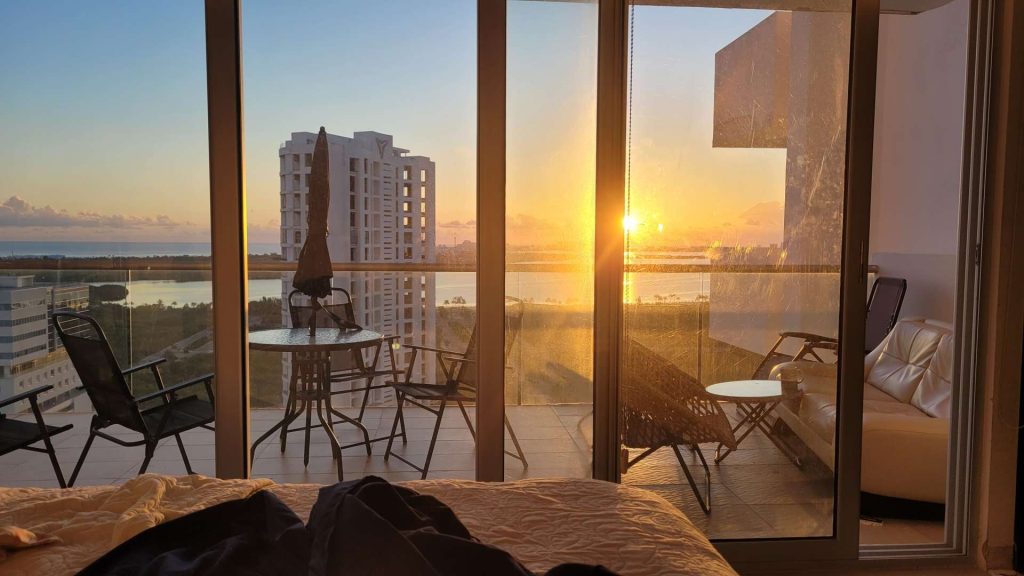
Whether you plan to stay a week or a season, the key is to find a condo that offers both a haven for productivity and the perks that make you feel like a local.
What Makes the Outer Banks, North Carolina, a Remote Work Haven?
The Outer Banks offer something remote workers crave: true tranquility. Picture a string of barrier islands dotted with laid-back towns and uncrowded beaches. It’s easy to find a quiet corner to set up your laptop, away from honking horns and city buzz.
After work, trade your screen glare for ocean views. Take long walks on the sand, bike through hidden paths, or recharge with a swim. The pace is slower here, making it easy to unplug after meetings and actually enjoy your downtime.
The Outer Banks also hosts a welcoming local vibe. With mom-acafésp cafés, small shops, and friendly faces, it’s simple to get a coffee or strike up a chat. Strong Wi-Fi is available in many rentals and coworking spots thanks to modern upgrades, but the surroundings encourage you to log off and savor the sunset when the workday ends. If calm, natural beauty, and the space to focus top your wish list, North Carolina’s Outer Banks might be just what you’re looking for.
How Vacation Rentals Help Build a Community
Short-term stays help digital nomads meet other travelers. Many rentals are near coworking spcafésr cafes where people work. This makes it easier to make friends and swap advice.
Joining local events also helps. Many cities have meetups for digital nomads, remote workers, or expats. Some landlords even run group activities to connect guests.
Tips for Finding the Right Location
For many, finding the right fit can be a time-consuming process. Many digital nomads use vacation rentals to compare places. Stay at least a month in each spot. This gives you an idea of what daily life is like. If you’re serious about choosing the perfect country for your move, research before deciding on the right location. Explore also covers work visas, healthcare, and taxes.
Do small tasks locals do, like opening a bank account, shopping at markets, and visiting doctors. Test how easy it is to meet new friends. These details matter more than pretty beaches or cheap rent.
What Happens After the Trial Period Ends
After testing a place with vacation rentals, people have choices. Many sign longer leases or buy homes. Some keep moving. This test-drive style keeps options open.
Many digital nomads love freedom. They stay longer where they feel happy and have no trouble setting up a home office wherever they go. If they miss home, they can return without incurring too much loss of money or time.
Final Words: Why Smart Digital Nomads Use Vacation Rentals
Moving abroad doesn’t have to feel risky. Many savvy travelers now test countries first. Digital nomads use vacation rentals to make better choices. This small step saves money, stress, and surprises. If you plan to move abroad, test your dream spot first. Stay a month or two. Meet people, try local food, and work from your new base. If it feels right, stay longer. If not, try the next place. Flexibility is freedom, and vacation rentals make that freedom possible.
Other Remote Working Articles:
3 Tips for Remote Working
Side Gig Money
Reworking the remote office concept
View More Things to do in Marathon and in our directory
Frequently Asked Questions (FAQs)
1. What Makes the Outer Banks, North Carolina, a Remote Work Haven?
The Outer Banks offer something remote workers crave: true tranquility. Picture a string of barrier islands dotted with laid-back towns and uncrowded beaches. It’s easy to find a quiet corner to set up your laptop, away from honking horns and city buzz. After work, trade your screen glare for ocean views. Take long walks on the sand, bike through hidden paths, or recharge with a swim. The pace is slower here, making it easy to unplug after meetings and actually enjoy your downtime. The Outer Banks also hosts a welcoming local vibe. With mom-acafésp cafés, small shops, and friendly faces, it’s simple to get a coffee or strike up a chat.
Frequently Asked Questions
Why use a vacation rental to test-drive a move?
Staying in a vacation rental for several weeks lets you live somewhere like a local before committing to a permanent move. You experience the daily realities such as commute, cost of living, weather, and community in a way a short hotel stay can’t reveal.
What should remote workers look for in a rental?
Prioritize reliable high-speed internet, a dedicated and comfortable workspace, good lighting, and a quiet environment for calls. Proximcaféso cafes, grocery stores, and coworking options makes a longer work stay much easier.
How long should a test drive be?
Aim for at least a month. A longer stay moves you past the vacation mindset and into everyday routines, which is what you need to judge whether a place is right for a permanent relocation.
How can I keep working productively while traveling?
Confirm the internet speed before booking, set consistent working hours, and create a defined workspace separate from where you relax. Time zone overlap with your team and a backup connection option, such as a mobile hotspot, help avoid disruptions.