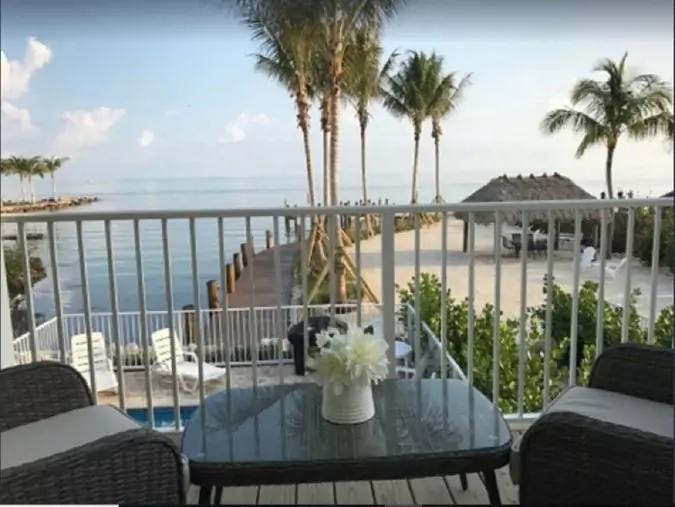

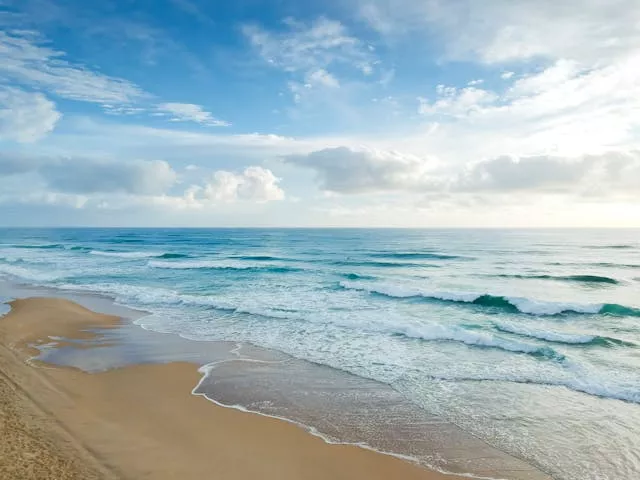
What Florida beaches feel like in winter becomes clear as soon as you arrive at the shoreline. The air carries warmth without weight, and sunlight feels steady rather than intense. Mornings open quietly, providing space for walking before the day begins to build. This softer atmosphere allows the coast to feel open and unhurried. Foot traffic spreads naturally, rather than clustering. Sound carries farther, which makes waves more noticeable. The shoreline feels less managed and more accessible. That shift changes how people move and how long they stay.
Average Winter Temperatures by Region
Step from one coastline to the next and you’ll notice the subtleties—Florida winter changes its mood by region, just like travelers switch sandals at the door. Southern spots like Key West or Miami greet you with daytime highs in the mid-to-upper 70s, often coasting just below 80°F. Evenings there rarely dip beneath 60°F, so a light sweater is the most you’ll need.
Travel up toward Orlando or Tampa, and you’ll still find mild afternoons stretching from the upper 60s into the mid-70s. Mornings and late nights are crisper, landing between 50°F and 60°F— a gentle nudge to linger a bit longer over coffee before heading outside.
Northern reaches—think Jacksonville, Tallahassee, or their kin along I-10—trade some of that tropical assurance for a softer, cooler palette. Highs hover in the low-to-mid 60s, while overnights might slip to around 40°F. A light jacket or favorite hoodie finally serves a purpose here.
These variations make it easy to find your comfort zone. Whether you prefer balmy afternoons or a nip in the evening air, every stretch of Florida offers its own winter welcome.
Why Winter Brings Visitors to Florida
Winter stands out as Florida’s busiest travel season for simple reasons: mild temperatures, gentle breezes, and calm coastal vibes draw crowds from colder corners of the country. As snow falls elsewhere, Florida’s beaches become a natural escape. Families, retirees, and travelers gather for the same warm daylight and welcoming atmosphere that makes morning walks on the shoreline so inviting.
This seasonal influx also means a change in how towns and accommodations operate. Hotels fill quickly, and popular attractions see steady streams of visitors. Restaurants and communities prepare for a livelier pace, adjusting hours and offerings for the increased numbers. For many, winter is when Florida feels most welcoming—its combination of sunshine and shared experiences creating a sense of open possibility. Guests linger not just for the warmth, but for the familiar rhythm of a place that knows how to make winter feel effortless.
Why Families Often Choose Winter Stays
Cooler months support longer stays, making renting a family vacation home a comfortable option for many families. Additional space allows shared routines without pressure from outside crowds. Children settle more easily when streets stay calm after sunset. Winter timing supports predictable schedules instead of rushed outings. Meals happen at a relaxed pace. Beach visits fit naturally between rest periods. Parents notice fewer overstimulated evenings. The overall rhythm supports connection rather than constant activity.
Booking Your Stay Well in Advance
Securing accommodations early becomes a quiet strategy for enjoying Florida’s winter pace. With the state’s popularity rising as temperatures drop, hotels and vacation rentals along the coast tend to book quickly—especially in appealing family-friendly areas like the Keys or Naples. Planning ahead means you get first pick of the most comfortable spaces, often in the best locations and at better rates.
Early reservations also cut out last-minute uncertainty that can cloud the excitement of an upcoming trip. You’re able to compare amenities—think pool access, kitchen setups, or extra rooms for bigger groups—and find something that supports your preferred daily rhythm, instead of scrambling for what’s left.
Ultimately, booking before the wave of winter travelers gives your family a sense of calm and control: you’re not competing in crowded lobbies or adjusting plans because the right place was booked long ago. That settled feeling supports everything from unhurried arrivals to evenings spent together, as intended, with the ocean just steps beyond your door. Rent a family vacation home.
What to Pack for a Florida Winter
Packing for your first Florida winter is mostly about blending comfort with flexibility. Bring a variety of lightweight clothing—think t-shirts, shorts, and airy dresses or linen pants—since daytime temperatures tend to stay mild. It’s wise to include a sweater or light jacket for mornings or evenings, when the breeze picks up just enough to warrant one.
Shoes should match your plans: sandals or sneakers work almost everywhere, but if you expect chilly nights, slip-on boots (like Uggs) can be welcome on late walks. Swimwear isn’t optional—beaches, pools, and hot tubs remain in play through the seasons, so bring a suit or two plus a simple cover-up to keep things effortless between dips.
Protection still matters, even in December. Pack sunscreen, sunglasses, and a broad-brimmed hat to handle the winter sun, which remains strong despite the softer air. A compact umbrella can also prove useful. Showers are rare, but a quick burst of rain can surprise even the most seasoned locals.
With these basics in your suitcase, you’ll feel at home whether days call for sandcastles or sunset strolls.
Preparing Your Own Home Before You Leave
Planning travel feels easier when you focus on making your home winter-ready before heading south. When it comes to your home, preparing it for colder weather means taking simple steps, such as securing windows and adjusting thermostats, to reduce concerns while you’re away. Knowing how to get your home winter-ready reduces stress on travel days. A smooth departure allows attention to stay on the destination. You avoid mid-trip worries about temperature shifts back home. Tasks feel manageable when completed early. The organization supports peace of mind. That calm carries into the Florida stay.
Beaches Feel Wider Without Summer Pressure
Winter removes the urgency that often defines summer beach use. Shorelines feel wider because people spread out without competition. Walking paths remain open well into the day. The absence of crowd noise allows natural sounds to take focus. Movement feels unhurried rather than strategic. Visitors choose spots based on comfort instead of availability. Long walks continue without interruption. Space becomes the defining feature of the experience.
Island Life Slows to a Steady Rhythm
Once winter arrives, Florida’s Island Chain settles into a steady daily pace. Transportation runs smoothly without seasonal strain. Local shops maintain regular hours to prioritize consistency over volume. Residents spend more time outdoors during daylight. Visitors blend into these patterns instead of disrupting them. Conversations unfold without rush. Service feels attentive rather than transactional. Familiarity builds quickly through repeated routines.
Annual Winter Festivals and Events
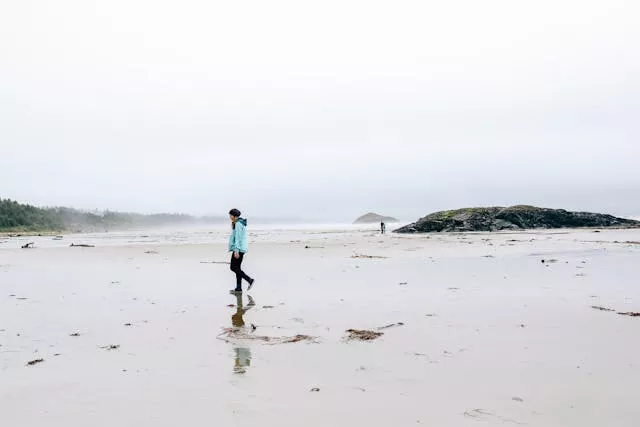
Florida’s winter season adds another layer of interest through its lineup of annual festivals. Art lovers often make their way to Miami in early December for large-scale art fairs, where galleries and installations crop up across the city. Tampa’s winter calendar brightens in late January with a centuries-old pirate tradition: a citywide parade brings the community together with music, elaborate floats, and costumed festivities along the waterfront.
Neighborhoods across the state host smaller celebrations—from open-air craft markets to lighted boat parades—that showcase local creativity. Outdoor concerts, art walks, and holiday displays keep boardwalks busy without rushing the pace. Winter in Florida means there’s always something on the horizon, whether you’re seeking quiet inspiration or collective cheer.
Water Temperatures Change How You Swim
Cooler water alters how people interact with the ocean. Short swims feel refreshing rather than draining. Many visitors shift toward shoreline walks or shallow wading. Winter encourages balance between movement and rest. Swimmers pace themselves naturally. Entry and exit feel comfortable without a sharp contrast. Recovery happens quickly after activity. The water supports steady use rather than endurance.
Hydration Matters Even in Winter
Even when temperatures ease in Florida’s winter, hydration remains a quiet priority. The mix of sun and steady outdoor activity means water loss happens without much notice—even in milder weather. Taking in enough water keeps energy stable for unhurried walks, active beach days, and time in parks. Bringing along a refillable bottle makes hydration part of the day’s rhythm, not an interruption. Sipping regularly, rather than waiting for thirst, supports longer outings with fewer slowdowns. This habit helps avoid fatigue that can slip in unnoticed during cool, breezy afternoons and ensures everyone stays comfortable across gentle winter days.
Winter Rainfall Patterns Stand Apart
Rain falls less often during Florida’s winter months, leaving skies clear and air noticeably drier compared to summer’s frequent showers. Days unfold with fewer interruptions, making outdoor plans more predictable. Still, the occasional cold front can pass through and briefly lower temperatures, so a quick check of the forecast keeps expectations in line. The contrast with summer’s routine afternoon storms is tangible—winter’s weather supports easy-going days filled with light and calm.
Gulf Coast Evenings Stay Comfortable
Along the Gulf, warmth lingers after sunset during the winter months. Evening walks remain pleasant without heavy humidity. Outdoor seating stays comfortable without mechanical cooling. This consistency allows plans to extend naturally into the evening. Clothing remains light without discomfort. Conversation flows without background noise. Dining outdoors is more reliable than weather-dependent indoor dining. Evenings invite staying longer without fatigue.
Atlantic Beaches Feel Crisp and Clear
Winter sharpens the Atlantic coastline. Breezes remain steady without becoming disruptive. Waves follow a predictable pattern that suits long walks. Light layers replace heavy sun protection. Visibility improves along both sky and water. Sand stays cool underfoot throughout the day. Wind feels clean rather than harsh. The coast feels structured and calm.
Standout Destinations Along Florida’s East Coast in Winter
Florida’s east coast stretches out a series of distinct experiences for winter travelers. Historic St. Augustine pairs centuries-old architecture with cobblestone streets, turning a day trip into a quietly memorable walk through time. Daytona Beach offers long, walkable shorelines and open boardwalks that feel especially relaxed outside peak season—here, the pace borders on meditative.
Further south, Miami’s South Beach hums with energy, but even in winter, the Art Deco buildings and oceanfront promenades invite a slower stroll. Balmy evenings create space for wandering outdoor markets in Fort Lauderdale or watching the breeze scatter pelicans along the Intracoastal. Each destination brings its own balance of activity and stillness, shaped by the season’s lighter crowds and softer sunlight.
The Quiet Highlights Stand Out More
Without constant activity, unforgettable sunsets take on a more substantial presence. Unobstructed horizons allow color to deepen gradually. People pause rather than rushing past. Winter evenings create space for stillness. Groups gather quietly without blocking views. Phones lower as attention shifts outward. Silence becomes part of the moment. The experience feels shared without pressure.
Seasonal Wildlife Feels Easier to Notice
Winter conditions make wildlife activity easier to observe. Birds gather near shorelines without disruption. Dolphins surface closer to walkers and swimmers. Reduced boat traffic keeps the water movement calm. Nature becomes part of the daily setting. Patterns repeat across mornings and evenings. Observation feels effortless rather than planned. The coast shows steady life without spectacle.
National and State Parks Welcome Winter Explorers
Milder temperatures transform Florida’s parks into inviting spaces for slow exploration. On winter days, mosquito swarms recede, and trails feel accessible for all levels of adventure. Everglades National Park opens up for wildlife watching, where alligators and manatees linger in quiet pools and birds gather in easy view. Big Cypress National Preserve offers shaded walks under towering trees, while Myakka River State Park’s unique trails reveal wide vistas and calm water scenes.
These parks reward those who linger. Paths remain uncrowded, and encounters with wildlife unfold naturally. Subtle changes in light add definition to landscapes normally blurred by summer haze. Every visit feels shaped by the day, allowing both returning guests and first-timers to experience Florida’s wilder side at a comfortable, thoughtful pace.
Why Winter Often Feels Better Than Summer
Without extreme heat, winter allows days to unfold naturally. Plans can be adjusted easily without weather forcing breaks. Energy lasts longer across activities. Many visitors return after experiencing this balance. Daily schedules feel sustainable. Rest follows movement without strain. Outings connect smoothly. The experience supports consistency. This rhythm helps people enjoy more of the coast without feeling rushed or depleted.

What Sets Florida’s Winter Apart?
Compared to the frost and gray skies that settle over much of the country, Florida’s winter feels like an inside joke only locals and lucky visitors are in on. Instead of bundling up indoors, people here find themselves drawn outside, soaking up mild weather that makes every plan easier to keep—and enjoy.
Temperatures across the state tend to hover between the low 60s and mid-70s, reaching even warmer highs in the far south. This means you can comfortably sip your morning coffee outdoors, walk barefoot on cool sand, or hike under open blue skies—all without a second thought to snow shovels, icy sidewalks, or biting windchill.
Rain is rare in these months, so skies stay clear and humidity drops, giving outdoor adventures a comfortable, energizing backdrop. Unlike the oppressively hot days of summer, winter on the Florida coast invites slow strolls, lingering afternoons by the water, and spontaneous detours without fear of overheating or disrupting your rhythm.
Simply put:
- Layers become optional, not essential.
- Evenings are crisp but not cold.
- Parks, beaches, and trails stay inviting long after the holidays.
- Daily life flows—no weather-induced shutdowns, no snow delays.
While the rest of the country digs out from winter storms, Florida coasts hum along gently, offering an experience that’s both restorative and quietly exhilarating.
How Winter Changes Beach Town Culture
Seasonal calm reshapes how beach towns function. Events center on food, art, and shared time. Schedules are slow enough for participation without pressure. Visitors integrate into local patterns. Public spaces support shared use. Attendance feels intentional rather than crowded. Conversations extend naturally. Towns feel lived in rather than staged.
Why Some Visitors Never Return in Summer
After experiencing Florida’s beaches in winter, many people adjust their plans. The calm feels personal and manageable. The coast offers steadiness instead of extremes. Winter becomes the preferred season. Travel planning simplifies. Expectations align with daily reality. Comfort replaces endurance. The choice feels settled. That sense of ease often guides their trip planning year after year.
What Florida Beaches Feel Like in Winter Along a Quieter Coastline
What Florida beaches feel like in winter reflects comfort, space, and clarity that summer rarely provides. Sunshine remains present without dominating the day. Daily rhythms support balance and rest. Many visitors remember winter as the reason Florida stays appealing. The coast reveals its steady character. Time stretches instead of compressing. Visits feel intentional. That impression lasts long after departure.